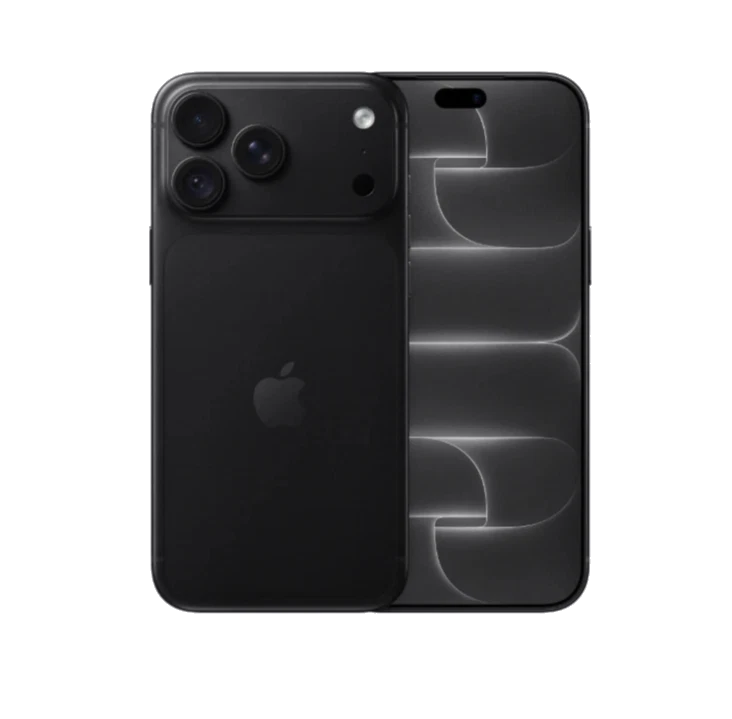
Apple iPhone 18 Pro
The Apple iPhone 18 Pro is available at City Hub Electronics, Nairobi. It introduces the first variable aperture camera in an iPhone, giving real manual control over depth of field and daylight exposure, and adds Apple Reference Image, which produces a cryptographically signed record of what the sensor actually saw.
Camera
The headline change is the 48MP Fusion Main camera with variable aperture, the first iPhone camera that physically opens and closes its aperture. Six laser-cut blades driven by a new rotor mechanism move smoothly between settings, and Apple describes this as the most advanced camera it has ever made.
In automatic use the camera picks the aperture for you. It widens to f/1.48 in low light to gather as much light as possible, sits at f/1.8 for portraits as the best balance of light and depth of field, and narrows to f/4 for group shots so faces at the back of a group stay sharp.
For anyone shooting professionally, the more important detail is that all four aperture settings can be set manually in the Camera app. Aperture has always been the one photographic control an iPhone did not give you, and its absence is why phone images have looked the way they do. Apple has also published a developer API for the aperture range, so third-party camera apps can go further.
A new sensor sits behind the variable aperture, feeding a new computational imaging pipeline that Apple says produces sharper, more detailed results from the Main camera.
Photographic Styles gains texture and grain controls, so colour and skin qualities can be adjusted together for a consistent look across a body of work rather than shot by shot.
Pro controls is a new customisable layer in the Camera app covering aperture, shutter speed and white balance, with a histogram for checking exposure across a scene. A histogram in the native camera app is a meaningful addition, because it replaces guessing at exposure on a bright screen with actually reading it.
Apple Reference Image is the feature most likely to matter commercially, and almost nobody is talking about it yet.
The new Main camera sensor can cryptographically sign every pixel it sees. Shoot in the new Reference mode and the camera captures signed sensor data, which Private Cloud Compute develops into an unalterable reference image. That reference sits in the Photos app alongside the finished picture, like a digital negative, so anyone can compare the two and see exactly what was edited.
For a creator this is a provenance tool. For a photojournalist, an insurance assessor, an estate agent or anyone whose images need to be trusted, it is a reason to buy this specific phone. APIs are available in iOS, iPadOS and macOS 27 so third-party apps can display reference images too, and Apple is adding support for the SynthID standard in a software update later this year to help flag AI-generated or AI-edited images.
The feature is opt-in. It is not available at launch in China for regulatory reasons, and in the EU capture is unavailable at launch though reference images can still be developed and viewed.
Video Recording
Resolutions and Frame Rates
Apple’s launch announcement confirms three video changes and does not detail the full capture specification, so only the confirmed changes are described here.
Cinematic effects can now be applied after capture to video shot at up to 60fps. Previously the cinematic depth effect had to be committed to at the moment of recording, which meant deciding on a look before you knew what the edit needed. Applying it afterwards, at up to 60fps, moves that decision into post where it belongs.
Time-lapse mode now records in 4K and in Dolby Vision HDR. Time-lapse has historically been the weakest capture mode on any phone, delivering a low-resolution clip unusable next to the rest of a project. At 4K Dolby Vision it becomes a deliverable rather than a novelty.
Stabilisation
The Main camera uses sensor-shift optical image stabilisation. Apple’s launch release does not detail the stabilisation modes, so the specific named modes are not claimed here.
The more consequential change for handheld video is thermal rather than optical. The redesigned vapor chamber has three times the surface area of the one in the iPhone 17 Pro and enables up to a 40 percent gain in sustained performance. Sustained performance is exactly what long recordings consume, and thermal throttling is the usual reason a phone stops recording partway through a shoot.
Colour and Dynamic Range
Variable aperture changes outdoor video more than any other feature here. Shooting video in bright sun has always forced a compromise on a phone: with a fixed aperture the only way to control exposure is a faster shutter, which breaks the 180 degree shutter rule and produces the stuttery, over-sharp motion that makes phone footage look like phone footage.
Being able to stop down to f/4 means you can hold a natural shutter angle in daylight without a physical neutral density filter. For anyone shooting outdoors in Nairobi light, that is the single most useful thing on this phone.
Time-lapse in Dolby Vision HDR extends the HDR pipeline into a mode that previously sat outside it.
Zoom, Framing and Capture Modes
Audio Mix has new algorithms that Apple says deliver higher-quality voices, and it can now isolate music as its own layer.
Music isolation is a real gain for anyone shooting events, performances or venues, where the usual problem is that dialogue and music are locked together in one track and neither can be adjusted without wrecking the other.
Power
Apple rates the eSIM-only iPhone 18 Pro at up to 36 hours of video playback.
Charging reaches 50 percent in around 15 minutes wired, or 50 percent in 30 minutes wirelessly.
Read Apple’s charging conditions carefully before promising these figures to a customer. The wired result requires a 60W-capable USB-C cable together with a USB PD 3.1 or better adapter with Adjustable Voltage Supply, and the wireless result requires a 35W or higher adapter paired with a MagSafe Charger. All of that is sold separately, and an older cable or adapter will not deliver these times.
Both models use new battery designs that take advantage of the efficiency of the 2 nanometre A20 Pro.
Storage
The iPhone 18 Pro is offered in 256GB, 512GB, 1TB and 2TB. A 2TB option on the smaller Pro is new, since 2TB was exclusive to the Pro Max last generation.
There is no expandable storage. If you shoot professional video formats, the storage tier is the decision that matters most at purchase, because it cannot be changed later.
Editing
A20 Pro is built on a 2 nanometre process. It carries a 6-core CPU with integrated Neural Accelerators, a 7-core GPU that Apple rates as up to 40 percent faster than A19 Pro, and a new Dual 16-core Neural Engine totalling 32 cores for double the AI processing of the previous generation. Memory bandwidth is up 50 percent.
The packaging is the interesting engineering. Apple has borrowed an approach from its M-series Mac silicon, placing the die alongside the memory rather than stacking it, which takes the memory out of the chip’s thermal path and lets A20 Pro attach directly to the vapor chamber.
Both models run iOS 27 with Apple Intelligence and Siri AI, which arrives in beta. Photo editing gains Spatial Reframing, Extend and an upgraded Clean Up, and Image Playground now produces photorealistic imagery. Note for Kenyan customers: Siri AI launches in English first, with French, Japanese, Korean, Portuguese and Spanish following in October.
Networking runs on Apple’s N1 chip for Wi-Fi 7, Bluetooth 6 and Thread. The new C2 modem delivers meaningfully faster uploads than C1X while using 15 percent less energy, which matters if you are pushing large video files from location.
Audio
Audio Mix has been rebuilt with new algorithms for higher-quality voice reproduction, and can now separate music into its own layer for independent adjustment.
Apple’s launch release does not detail the microphone array or the recording formats, so those are not claimed here and will be added once the full specification is published.
As with every recent iPhone there is no 3.5mm jack, so external microphones connect over USB-C or wirelessly.
Design and Build
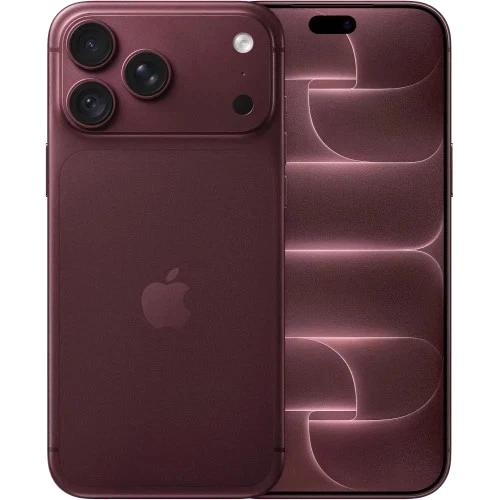
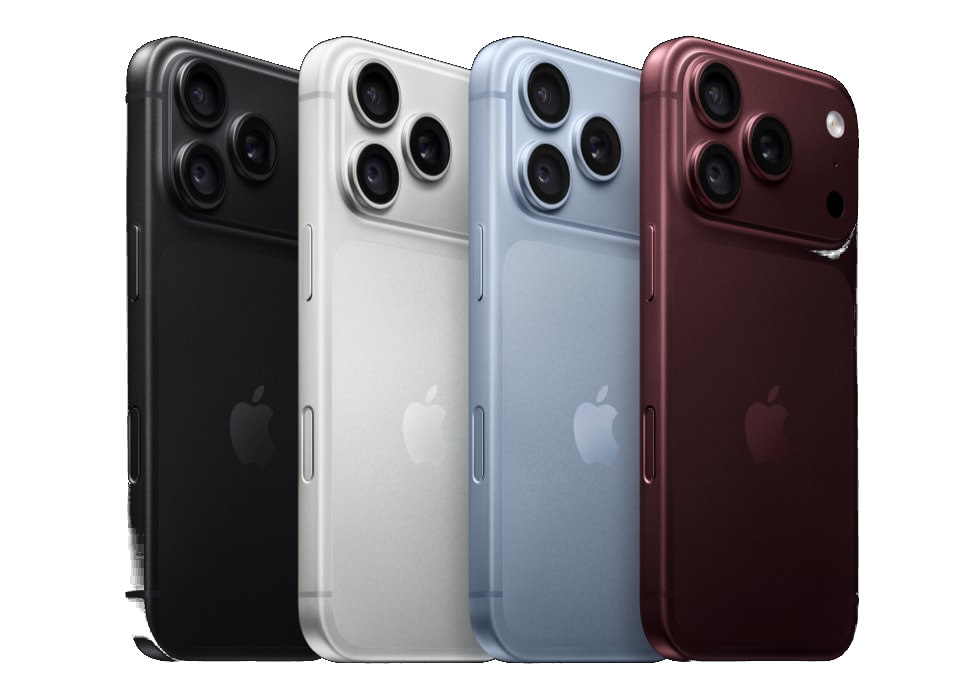
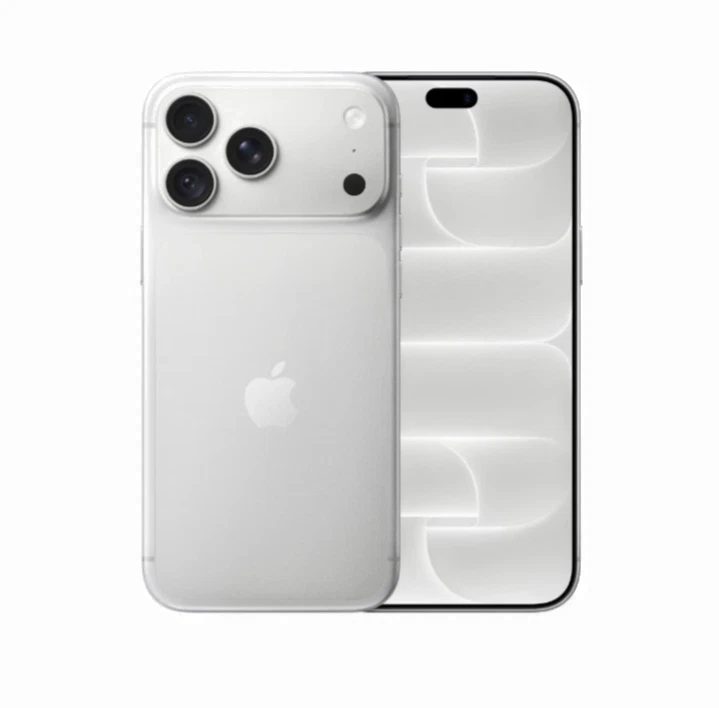
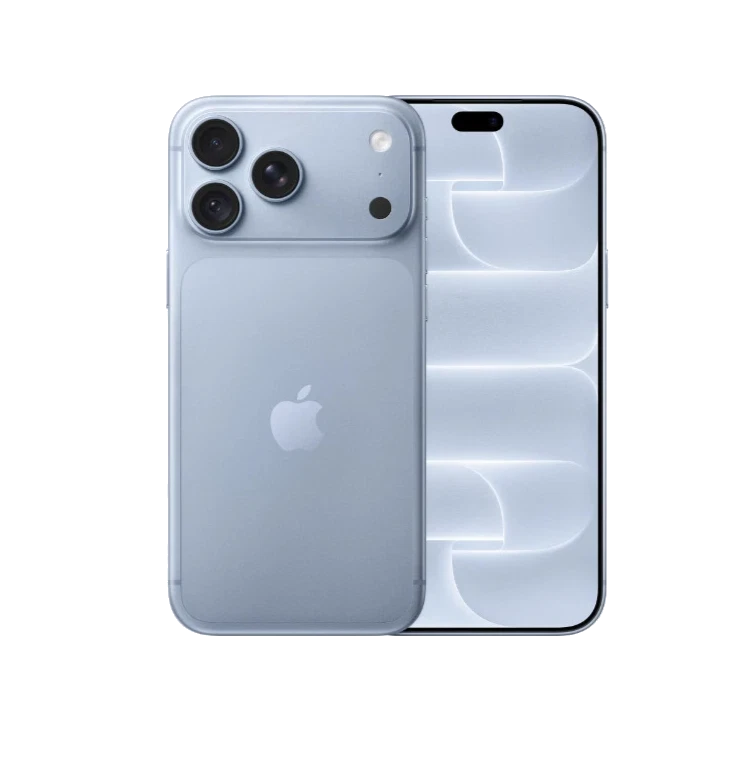
Both models come in four finishes: black, silver, glacier and an all-new burgundy.
The Dynamic Island has been redesigned using new display technology to take up less room while showing more. It now displays up to three Live Activities at once, and it continues to house Face ID for unlocking, payments and app sign-in. This is worth stating plainly because several specification sites are currently reporting under-display Face ID on these models, which Apple’s own announcement contradicts.
The enclosure is aluminium, made with 85 percent recycled aluminium. Overall the phones are built from 40 percent recycled content, the battery uses 100 percent recycled cobalt, manufacturing runs on 50 percent renewable energy across the supply chain, and the paper packaging is 100 percent fibre-based.
New accessories launch alongside: TechWoven, Clear and Silicone cases with MagSafe, a FineWoven Wallet, a Crossbody Strap, and a new Wrist Strap that also carries AirPods Pro 2 or AirPods Pro 3.
Specifications
| Specification |
Apple iPhone 18 Pro |
| Chipset |
- Apple A20 Pro, 2-nanometre process
- 6-core CPU with integrated Neural Accelerators
- 7-core GPU, up to 40 percent faster than A19 Pro
- Dual 16-core Neural Engine, 32 cores total, double the AI processing of A19 Pro
- 50 percent more memory bandwidth than A19 Pro
- Next-generation vapor chamber, 3x the surface area of iPhone 17 Pro
|
| Storage |
- 256GB
- 512GB
- 1TB
- 2TB
- No expandable storage
|
| Rear Camera |
- 48MP Fusion Main with variable aperture
- Six laser-cut blades, four aperture settings, f/1.48 to f/4
- Manual aperture control in the Camera app, developer API available
- New sensor and new computational imaging pipeline
- Apple Reference Image, signed sensor data, opt-in
|
| Video Recording |
- Cinematic effects applied after capture, up to 60fps
- Time-lapse in 4K and Dolby Vision HDR
- Audio Mix with new algorithms and music isolation
|
| Battery and Charging |
- Up to 36 hours video playback, eSIM-only models
- 50 percent in around 15 minutes wired
- 50 percent in 30 minutes wireless
- Wired requires a 60W-capable USB-C cable and a USB PD 3.1 or better adapter with AVS, sold separately
- Wireless requires a 35W or higher adapter with a MagSafe Charger, sold separately
|
| Operating System |
- iOS 27 with Apple Intelligence
- Siri AI, in beta, English at launch
- Spatial Reframing, Extend, upgraded Clean Up
|
| Connectivity |
- Apple N1 chip: Wi-Fi 7, Bluetooth 6, Thread
- Apple C2 modem, faster uploads than C1X, 15 percent less energy
- Satellite features
- eSIM-only/Nano-SIM
|
| Build |
- Aluminium enclosure, 85 percent recycled aluminium
- Redesigned Dynamic Island, up to three Live Activities, Face ID retained
- 40 percent recycled content overall, 100 percent recycled cobalt battery
|
| Colours |
- Black
- Silver
- Glacier
- Burgundy
|
Register your interest at City Hub Electronics and we will contact you the moment stock and pricing are confirmed.
You may also like